
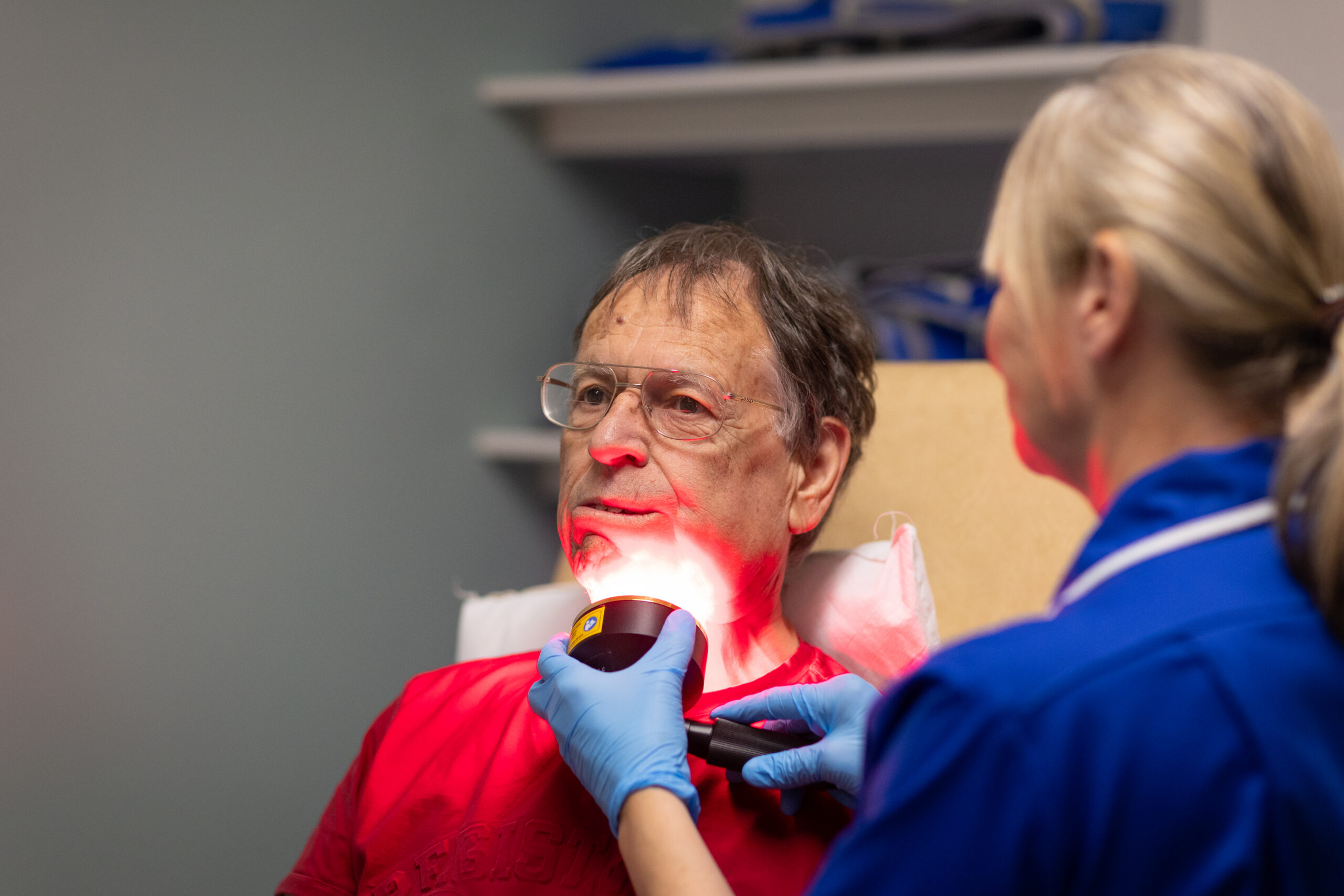
Photomodulation therapy
Also known as low-level light therapy, it’s a non-invasive, painless treatment that uses specific wavelengths of light to stimulate healing and improve lymphatic function.
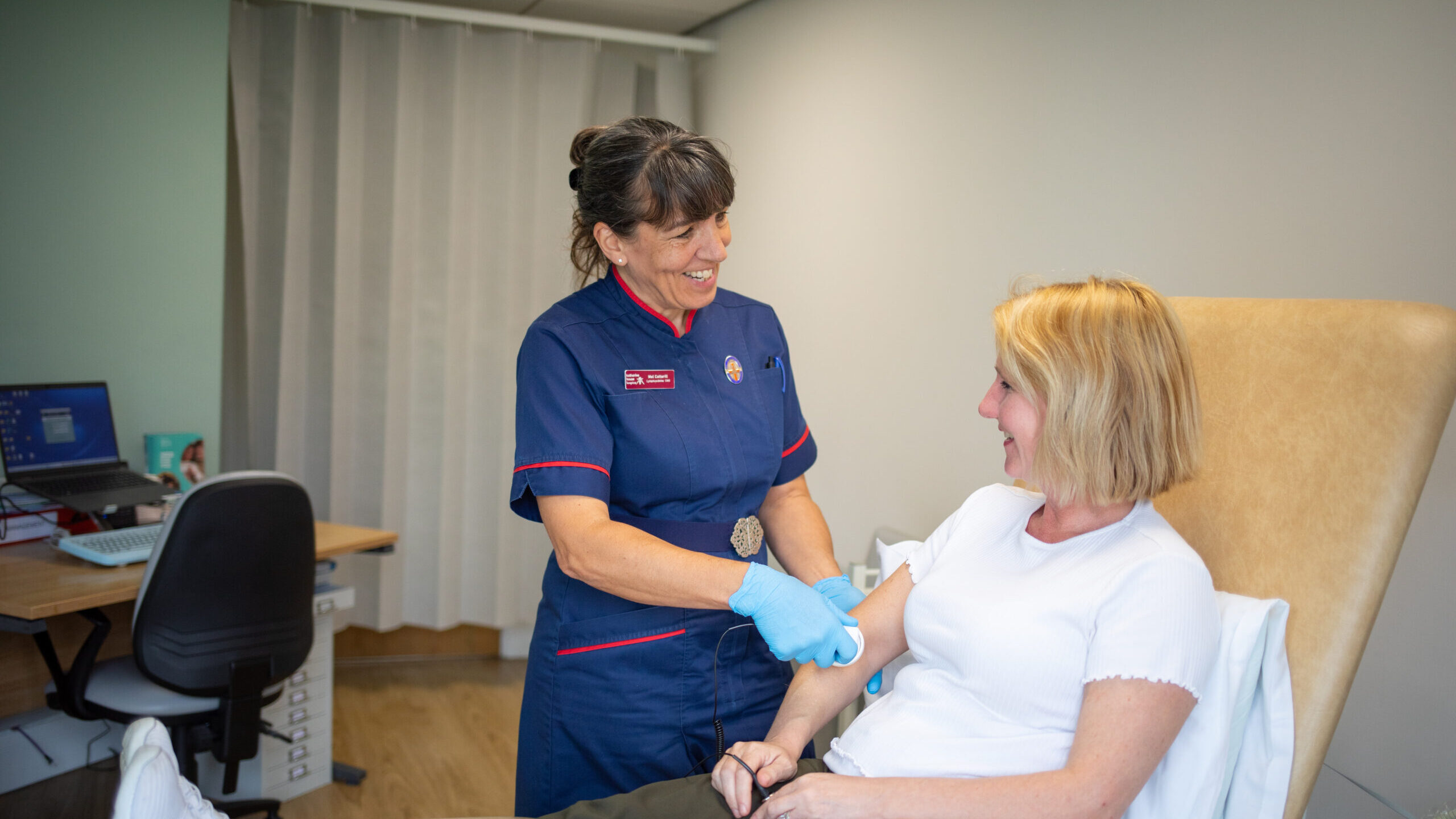
Living with lymphoedema or lipoedema can affect your comfort, confidence and daily life. Our specialist team provides assessment, treatment, advice and ongoing support to help you manage your symptoms and stay as active and independent as possible.
We support people with both cancer-related and non-cancer-related lymphoedema and lipoedema.
Lymphoedema is a long-term condition that causes swelling when fluid called lymph builds up in the body’s tissues. It most commonly affects the arms or legs, but it can occur in other areas of the body.
Lymphoedema may develop after cancer treatment or as a result of other health conditions that affect the lymphatic or circulatory systems.
Lipoedema is a long-term condition that causes an abnormal build-up of fat, usually in the legs and sometimes the arms.
It can cause pain, tenderness, swelling and changes in body shape. Lipoedema is different from obesity and does not usually improve through diet and exercise alone.
Also known as low-level light therapy, it’s a non-invasive, painless treatment that uses specific wavelengths of light to stimulate healing and improve lymphatic function.
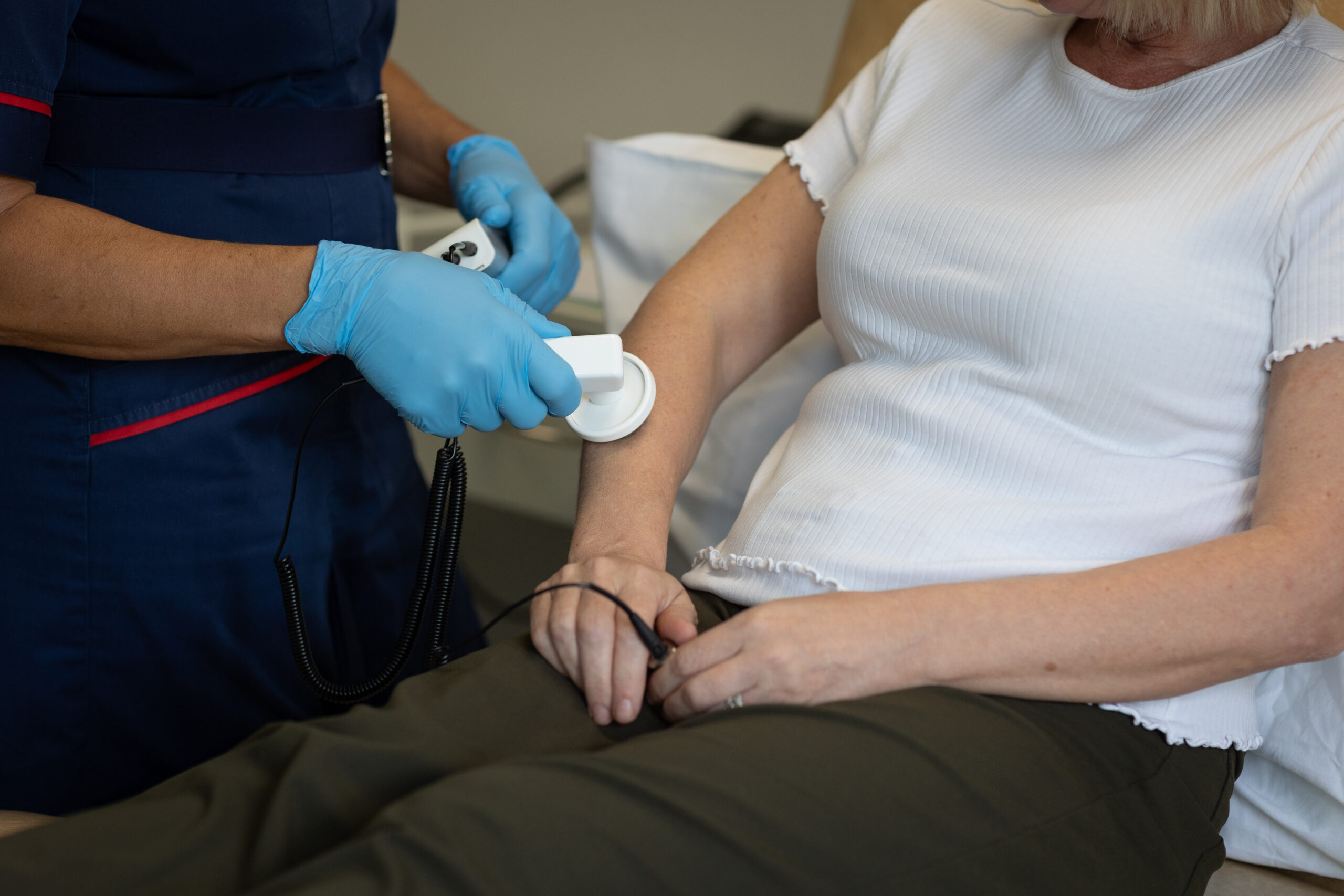
Gentle electrostatic pulses that produce vibrations deep within the tissues – without heat, pressure, or pain.
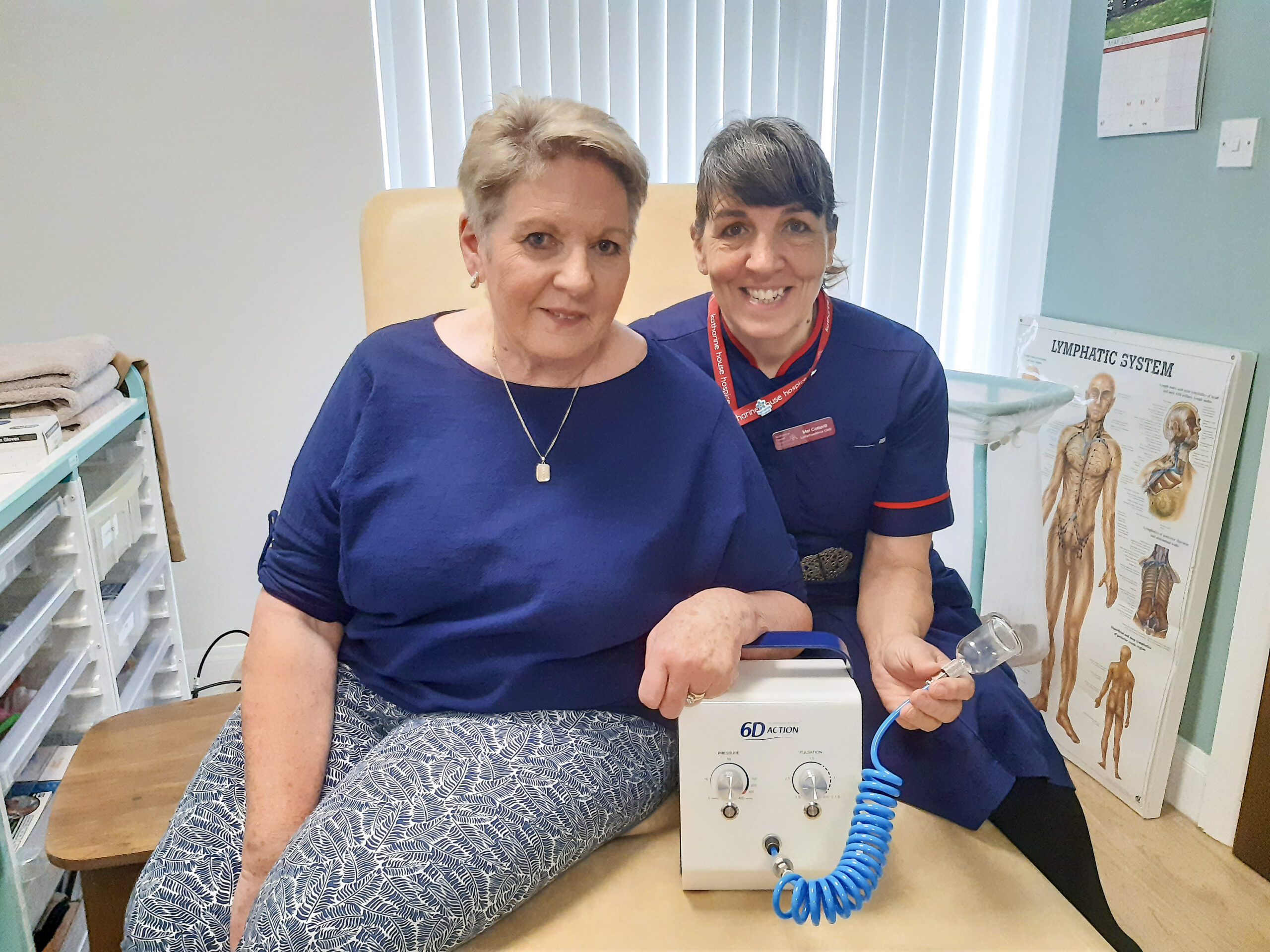
Gentle suction on the skin to improve circulation, encourage lymphatic drainage and ease tightness.

A combination of gentle techniques and modern technology, including compression garments that gently inflate and deflate.
If you have cancer-related lymphoedema, you can self-refer or ask a healthcare professional to make a referral.
If you have non-cancer lymphoedema or lipoedema, you'll need a referral from a healthcare professional.
If you'd like guidance or have any questions, please call our advice line.
Sometimes information about care and treatment can feel difficult to understand.
If you need support to make decisions, understand your rights or have your voice heard, you can ask for help from an independent advocate.
Advocacy is free and available to anyone who needs support.
An advance care plan helps you think about and record what matters most to you. It helps others understand your wishes if you’re unable to speak for yourself in the future.
iWantGreatCare is a trusted site for healthcare reviews. They enable you to leave meaningful feedback on your care or say thank you.iWantGreatCare
You can read honest, direct feedback from people like you when looking for care for yourself or a loved one